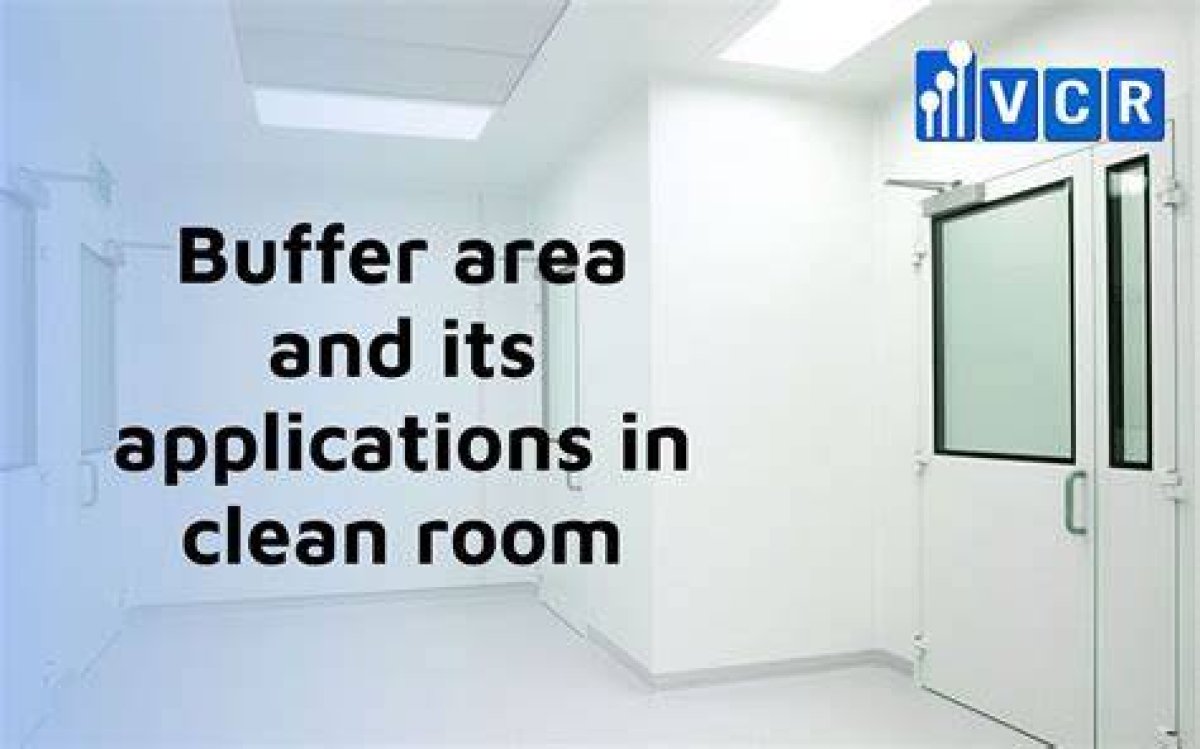
When it comes to architectural terminology, the terms “buffer room” and “anteroom” often come into play, particularly in the context of design and functionality. While both spaces serve unique purposes, their differences can lead to confusion among those unfamiliar with architectural jargon. The buffer room is typically designed to provide a transitional space that mitigates temperature fluctuations, while the anteroom serves as a waiting area or an entry point to a more significant space. Understanding these distinctions can help in making informed decisions about space utilization, whether for residential or commercial designs.
In this article, we will delve into the characteristics of buffer rooms and anterooms, highlighting their functionalities, designs, and purposes. By exploring these two intriguing spaces, we aim to clarify their roles in architecture and interior design. Are you considering incorporating either of these rooms into your next project? If so, understanding their unique attributes is essential to maximizing their potential.
Join us as we explore the fascinating world of buffer rooms and anterooms. With insights and comparisons, you will gain a comprehensive understanding of how these spaces can enhance any environment. Let's dive into the essential questions surrounding the buffer room vs anteroom debate!
What is a Buffer Room?
A buffer room is a space designed to provide a protective layer between two distinct environments, often serving as a thermal barrier. This room is often utilized in various settings, including medical facilities, laboratories, and industrial buildings. The primary function of a buffer room is to control temperature, humidity, and contamination levels by acting as a transition zone.
What are the Key Features of a Buffer Room?
- Temperature Regulation: Buffer rooms are specifically designed to maintain a stable temperature, preventing heat loss or gain.
- Contamination Control: These spaces often contain specialized air filtration systems to minimize the risk of contamination.
- Access Control: Buffer rooms may have restricted access to limit the number of individuals entering and exiting, further controlling environmental conditions.
What is an Anteroom?
In contrast to the buffer room, an anteroom is primarily a waiting area or transition space leading to another room or area. It is commonly found in residential, commercial, and institutional buildings, providing a place for guests to wait before entering a primary space. The design of an anteroom often emphasizes aesthetics, comfort, and functionality.
What are the Essential Functions of an Anteroom?
- Welcoming Space: An anteroom serves as a welcoming area for guests, often featuring comfortable seating and decor.
- Privacy and Transition: It provides a buffer between public and private spaces, ensuring confidentiality and comfort.
- Organization: An anteroom can help organize foot traffic by managing how many people enter a primary space at once.

