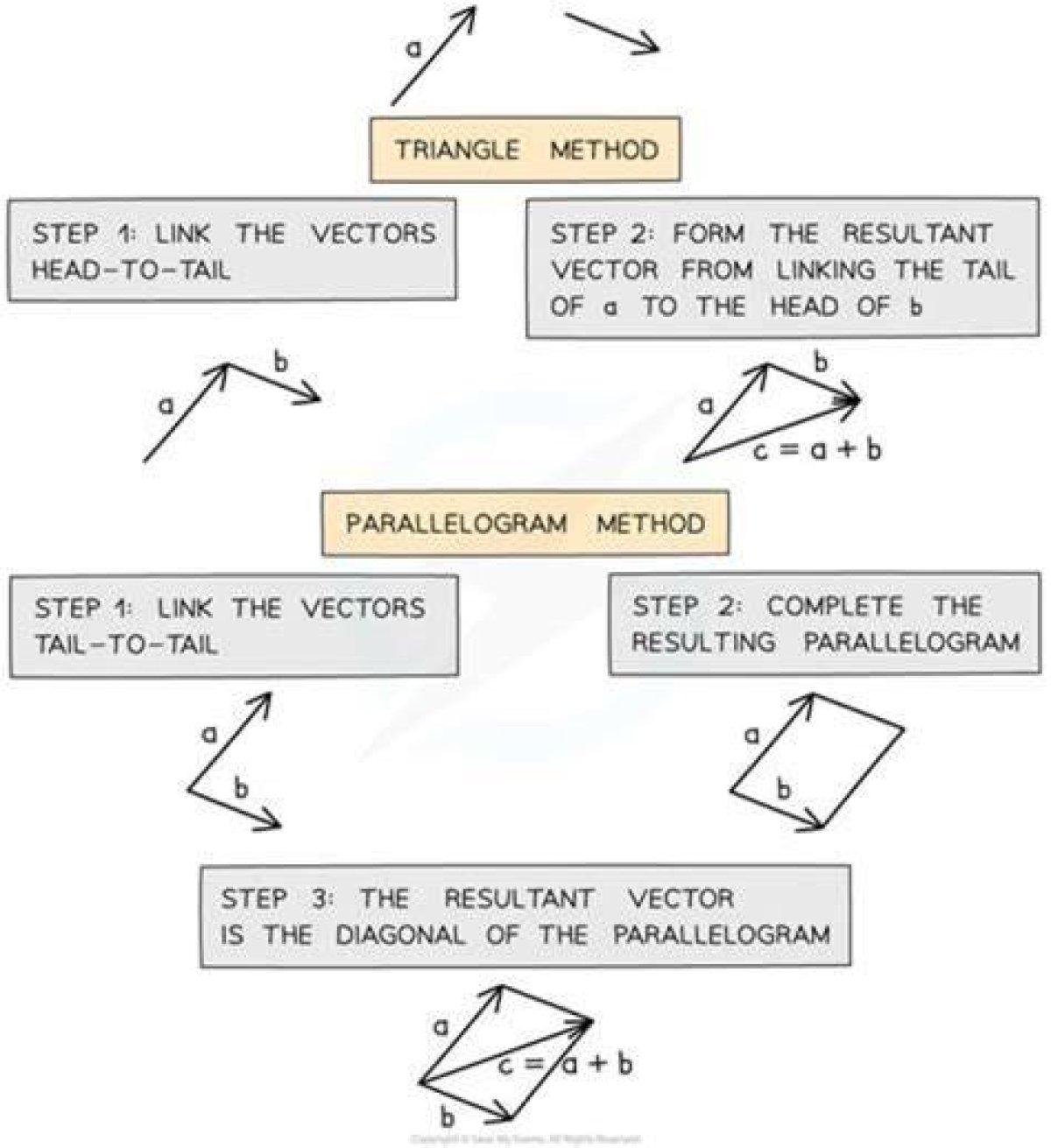
The Triangle Method is a powerful technique that has gained popularity across various fields, from education to mental health and even business strategy. By visualizing concepts through a triangular framework, individuals can break down complex ideas into manageable parts, enhancing understanding and retention. This method not only aids in problem-solving but also fosters creativity and critical thinking.
In recent years, the Triangle Method has emerged as a go-to strategy for teachers, coaches, and professionals seeking to improve their methodologies. Its versatility allows it to be adapted to different scenarios, making it a valuable tool for anyone looking to enhance their learning or teaching techniques. By focusing on the relationships between three key components, users of the Triangle Method can create a more engaging and interactive experience.
This article aims to explore what the Triangle Method is, its applications, and how you can implement it in various aspects of your life. Whether you are a student looking to improve your study habits or a professional seeking to boost your productivity, understanding the Triangle Method can provide you with the tools necessary for success.
What is the Triangle Method?
The Triangle Method is an educational and problem-solving technique that helps individuals visualize and organize information using a triangular model. The three corners of the triangle typically represent different components of a concept, allowing users to see the connections and relations between them. This method encourages a holistic approach to understanding, making it easier to grasp complex ideas.
How Did the Triangle Method Originate?
The Triangle Method has its roots in various educational theories and psychological principles. Its development can be attributed to the desire for more effective learning strategies that cater to different learning styles. The method draws on principles from cognitive psychology, which emphasize the importance of visualization and organization in the learning process. Over time, the Triangle Method has evolved and adapted, becoming widely recognized in various fields.
What are the Key Components of the Triangle Method?
The Triangle Method consists of three main components, which can vary depending on the context in which it is applied. However, some common elements include:
- Conceptual Framework: The foundation of the triangle, representing the main idea or subject being studied.
- Interrelated Elements: The two other corners of the triangle, which represent supporting ideas or concepts that provide context and depth to the main idea.
- Connections: The lines that connect the corners, illustrating the relationships between the different components and how they work together to create a comprehensive understanding.
How Can the Triangle Method be Applied in Education?
The Triangle Method is particularly useful in educational settings, where it can help students grasp complex subjects and improve their critical thinking skills. Here are some ways it can be applied:
- Visual Learning: By creating a visual representation of information, students can better comprehend and retain material.
- Collaborative Learning: The Triangle Method encourages group discussions, allowing students to share their perspectives and build on each other's ideas.
- Problem-Solving: This method aids in breaking down complex problems into manageable parts, making it easier for students to find solutions.
Can the Triangle Method Improve Business Strategies?
Yes, the Triangle Method can be effectively utilized in business settings as well. Here are some examples of its application:
- Strategic Planning: Businesses can use the Triangle Method to outline their goals and identify the necessary steps to achieve them.
- Team Collaboration: The method fosters open communication among team members, helping to align their objectives and strategies.
- Performance Evaluation: Companies can assess their performance by analyzing the relationships between various components, such as resources, processes, and outcomes.

