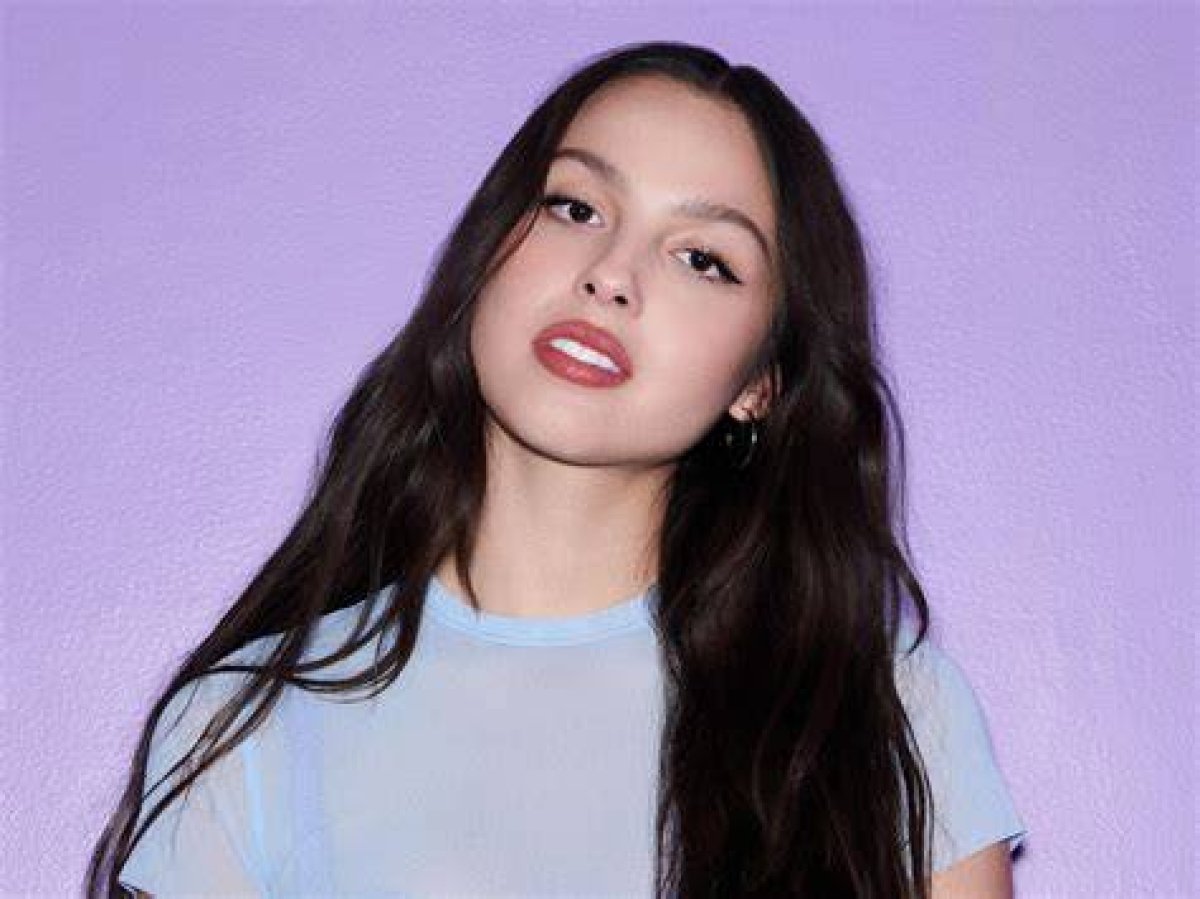
In recent years, the phenomenon of deepfakes has taken the internet by storm, captivating audiences and raising serious ethical concerns. One of the most talked-about figures in this digital age is none other than Olivia Rodrigo, the talented singer-songwriter known for her chart-topping hits and relatable lyrics. As her fame skyrockets, so does the potential for her image to be manipulated in ways that can deceive and mislead fans and the general public alike. The emergence of deepfake technology has opened a Pandora's box of possibilities, and Olivia Rodrigo has found herself at the center of this unsettling trend.
Deepfake technology, which allows for the creation of hyper-realistic fake videos, poses challenges not only for celebrities like Rodrigo but also for society as a whole. These fabricated visuals can be used for various purposes, ranging from harmless entertainment to malicious misinformation. Understanding the implications of deepfakes, especially in the context of a prominent figure like Olivia Rodrigo, is crucial for navigating this ever-evolving digital landscape. As fans and observers, it is our responsibility to discern reality from illusion in a world where authenticity is increasingly under threat.
The intersection of celebrity culture and deepfake technology begs the question: how can we protect individuals from being misrepresented or exploited? In the case of Olivia Rodrigo, the consequences of deepfake videos can extend beyond mere embarrassment; they can lead to reputational damage and personal distress. In this article, we will explore the implications of deepfake technology on Rodrigo's image, investigate the ethical concerns surrounding its use, and discuss the measures that can be taken to mitigate its impact.
Who is Olivia Rodrigo? A Brief Biography
Olivia Rodrigo is a multi-talented American singer-songwriter and actress who first gained fame for her role in Disney's "High School Musical: The Musical: The Series." However, she skyrocketed to global stardom with the release of her debut single "drivers license" in January 2021, which broke several streaming records. Her music resonates with a vast audience, particularly teenagers, due to its raw emotion and relatability.
Olivia Rodrigo's Personal Details and Bio Data
| Detail | Information |
|---|---|
| Name | Olivia Isabel Rodrigo |
| Date of Birth | February 20, 2003 |
| Nationality | American |
| Occupation | Singer-songwriter, Actress |
| Genres | Pop, Alternative |
| Notable Works | "drivers license," "deja vu," "good 4 u" |
What Are Deepfakes and How Do They Work?
Deepfakes are synthetic media in which a person in an existing image or video is replaced with someone else's likeness. This technology uses artificial intelligence and machine learning algorithms to create realistic-looking fake videos. The process involves training a neural network on a dataset of images and videos of the target person, allowing the algorithm to learn their facial expressions, movements, and voice patterns.
How Are Deepfakes Created?
The creation of deepfakes typically involves several steps:
- Data Collection: A large number of images and videos of the person are gathered.
- Training the Model: The data is used to train a deep learning model to understand the person's facial features.
- Generating the Deepfake: The model generates new images and videos based on the learned data, allowing it to manipulate the target's likeness.
- Post-Processing: The generated media may undergo additional editing to enhance realism.

