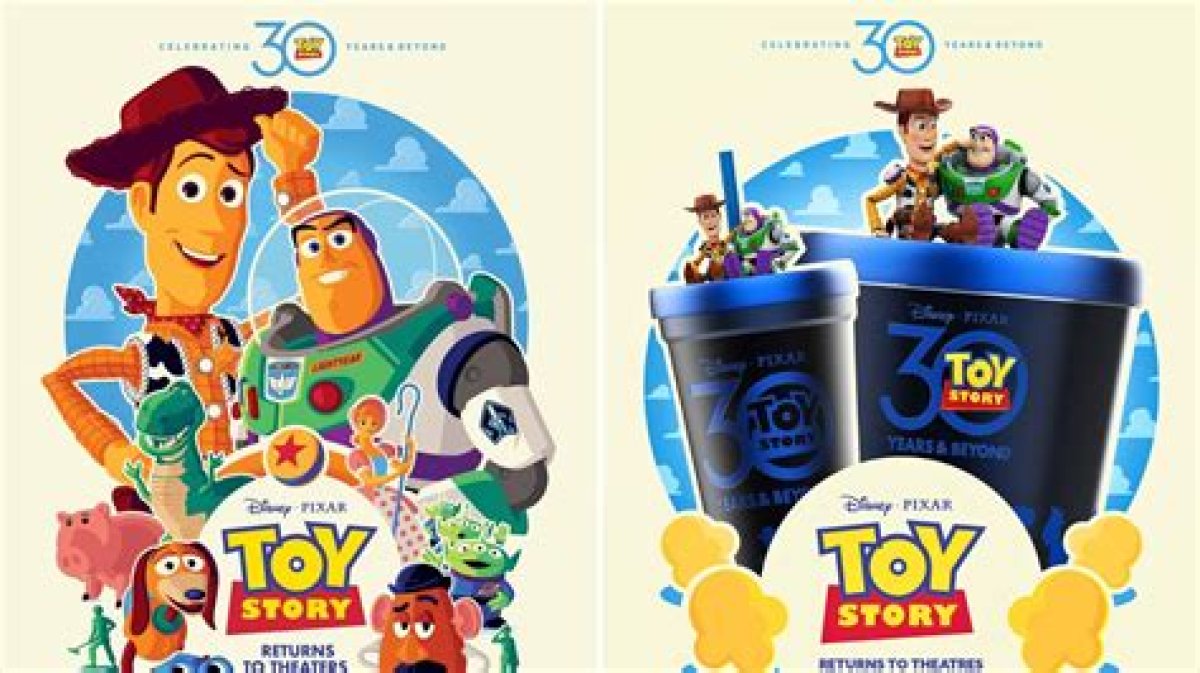
The release of "Toy Story" marked a monumental moment in the history of animated films. As the first entirely computer-animated feature film, "Toy Story" not only revolutionized the animation industry but also set a new standard for storytelling and character development within the genre. Released by Pixar Animation Studios and distributed by Walt Disney Pictures, the film quickly became a beloved classic, capturing the hearts of audiences worldwide. Its impact on the animation industry and its cultural significance cannot be overstated.
Since its release, "Toy Story" has been praised for its innovative animation techniques and compelling narrative, which effectively bridged the gap between children's entertainment and adult storytelling. The film's success paved the way for future animated productions to experiment with new technologies and storytelling methods, thus expanding the horizons of what animated films could achieve. This seminal work continues to be a source of inspiration for filmmakers, animators, and storytellers, illustrating the power of imagination and creativity in the visual arts.
The significance of the "Toy Story" release date extends beyond its technical achievements. Its debut marked the beginning of a new era in animation, characterized by the rise of digital filmmaking and the increasing integration of advanced technology in the creative process. By examining the circumstances surrounding its release and the subsequent impact on the industry, we can gain a deeper understanding of how "Toy Story" transformed the landscape of animated cinema and influenced subsequent generations of filmmakers.
History and Development of Toy Story
The journey of "Toy Story" from concept to release is a remarkable tale of innovation and perseverance. Originally conceived in the late 1980s, the project was the brainchild of John Lasseter, an animator at Pixar Animation Studios. Lasseter's vision was to create a feature-length film entirely through computer animation, a feat that had never been accomplished before.
Pixar, at the time, was a fledgling studio with limited resources but an abundance of creativity. The studio's collaboration with Walt Disney Pictures provided the necessary financial backing and distribution network to bring Lasseter's vision to life. The partnership marked the beginning of a fruitful relationship that would continue to shape the future of animation.
Development of "Toy Story" was a challenging process that required the invention of new animation techniques and technologies. The film's production team, consisting of animators, engineers, and storytellers, worked tirelessly to overcome the technical hurdles associated with rendering realistic movement and expressions through computer-generated imagery (CGI). Their efforts culminated in a groundbreaking film that would redefine the animation industry.
Impact on the Animation Industry
The release of "Toy Story" on November 22, 1995, was a watershed moment for the animation industry. It marked the first time a feature-length film was created entirely using CGI, setting a new standard for animated storytelling. The film's success demonstrated the potential of computer animation, encouraging studios worldwide to embrace digital technology in their productions.
"Toy Story" also influenced the narrative structure of animated films, emphasizing character-driven stories that appeal to both children and adults. This dual appeal expanded the audience for animated films, contributing to their growing acceptance as a legitimate form of cinematic art.
The film's impact extended to the business model of animation studios, as it proved that high-quality animated features could achieve significant box office success. This realization led to increased investment in animated productions and the proliferation of animation studios globally, all striving to replicate the success of "Toy Story" and its successors.

